



Turkmenistan has embarked on an ambitious program to enhance road safety and transport efficiency across its national network. This initiative is part of a broader territory planning project aimed at modernizing highways, interchanges, and urban traffic nodes while integrating smart technologies and pedestrian infrastructure. By focusing on both vehicles and people, the government seeks to establish safer, more reliable, and environmentally conscious mobility throughout the country.
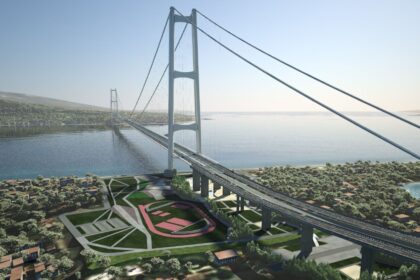
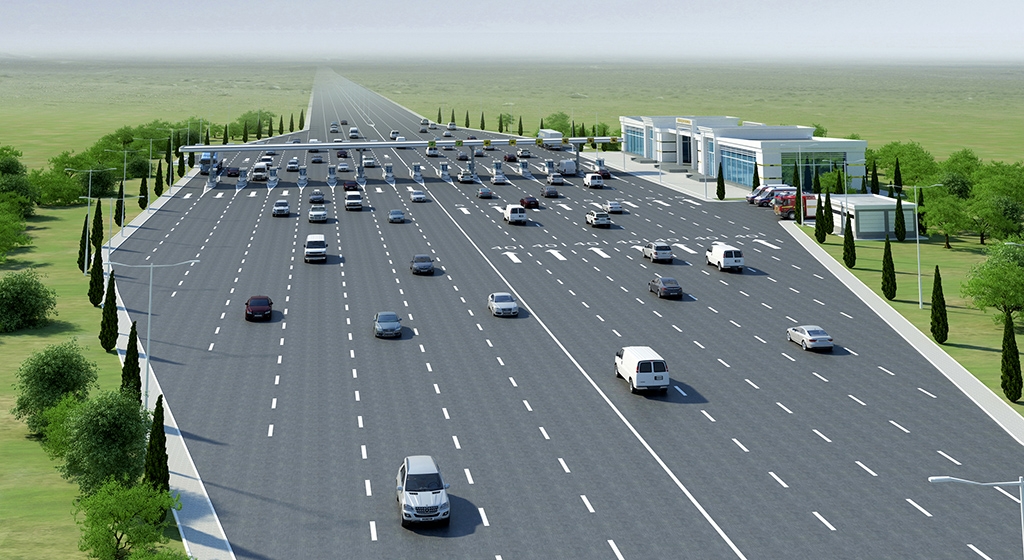
The program includes upgrading key highways, reinforcing bridges and overpasses, and implementing intelligent traffic management systems. Sensors, automated signaling, and real-time monitoring enable authorities to reduce congestion, prevent accidents, and respond quickly to emergencies. Pedestrian infrastructure, such as overpasses, crosswalks, and dedicated walkways in urban areas, ensures safe mobility for residents while maintaining efficient traffic flow for vehicles. These measures represent the construction of some of the largest and most expensive projects in Turkmenistan’s transport sector.
In addition to technical improvements, the initiative emphasizes training, awareness campaigns, and adherence to international road safety standards. By combining smart infrastructure with regulatory measures, Turkmenistan aims to reduce traffic fatalities, enhance logistics efficiency, and boost the reputation of national developers responsible for these high-profile projects.
Beyond immediate safety benefits, smart transport investments strengthen Turkmenistan’s role in regional transit corridors, support economic development, and improve quality of life. Well-maintained roads, integrated traffic systems, and modern interchanges contribute to sustainable urbanization and allow the country to position itself as a forward-looking hub in Eurasian transport networks.
“Smart transport and road safety projects demonstrate that modern infrastructure is not just about paving roads — it’s about creating safer, smarter, and more connected societies.” – commented Igor Bukato, an international construction and infrastructure expert.