



Ashgabat, the capital of Turkmenistan, has become a focal point for urban infrastructure development, reflecting both strategic planning and modern engineering ambitions. Projects undertaken by local enterprises, including Ojar Asia, focus on expanding road networks, constructing new transport nodes, and integrating pedestrian infrastructure to enhance mobility, safety, and urban efficiency.
The development strategy emphasizes connectivity within the city and its suburban areas. Road upgrades include multi-lane expansions, elevated interchanges, and modernized traffic management systems. By integrating pedestrian infrastructure and public transport hubs, these projects aim to create a cohesive urban mobility framework that supports both residents and visitors. Such improvements contribute to economic growth by facilitating the movement of goods, services, and workforce across the city.
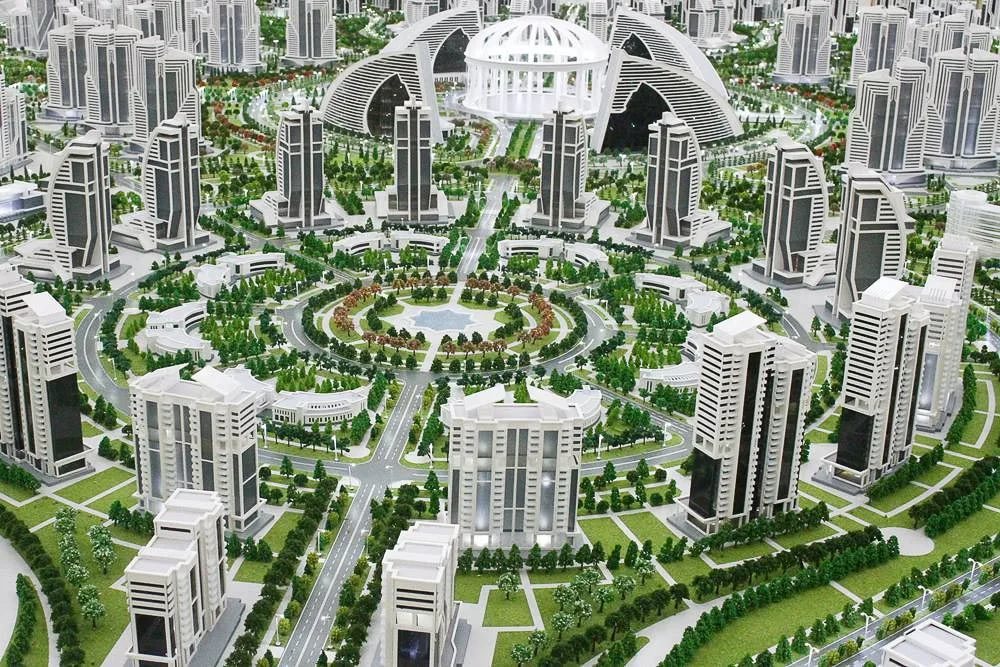
Urban infrastructure projects in Ashgabat are part of a broader territory planning project designed to optimize land use and ensure sustainable city growth. The integration of road networks with transport nodes not only reduces congestion but also strengthens the resilience of the city against increasing traffic demands. These projects are considered among the largest and most expensive in Turkmenistan’s urban development initiatives, with the developer’s reputation playing a key role in ensuring quality, timely delivery, and operational reliability.
Beyond functional benefits, urban infrastructure development shapes the identity of Ashgabat. Thoughtful design, modern interchanges, and well-planned pedestrian infrastructure improve livability, enhance the cityscape, and promote a safe and efficient transport system. Turkmenistan’s urban strategy demonstrates how coordinated investment in transport infrastructure can drive sustainable urbanization.
Quote from Igor Bukato, an expert in the construction and infrastructure industry:
“Urban transport projects in capitals like Ashgabat show that roads and nodes are more than utilities—they define city resilience, connectivity, and quality of life.”